
Oral GLP-1 Pills vs Injections in 2026: Is It Time to Switch Your Weight Loss Plan?
The idea is easy to understand: if a pill can help with weight loss, why keep using a needle?
That question is becoming more common as oral GLP-1 medications move closer to mainstream use. Injectable GLP-1 and GLP-1 related medications have already changed obesity care for many people. They can reduce appetite, help with fullness, and support meaningful weight loss when paired with nutrition, movement, sleep, and medical follow-up.
Now the next wave is getting attention: oral GLP-1 pills. They sound simpler. No injection pen. No sharps container. No weekly shot routine. But the choice is not as simple as pill versus needle.
In 2026, the better question is not whether oral options are “better.” It is whether they fit the person, the medical goal, the side effect profile, insurance coverage, and the daily routine better than injections do.
This article is informational only and is not medical advice. GLP-1 medications affect digestion, blood sugar, appetite, and other health factors, so any change should happen with a licensed clinician.
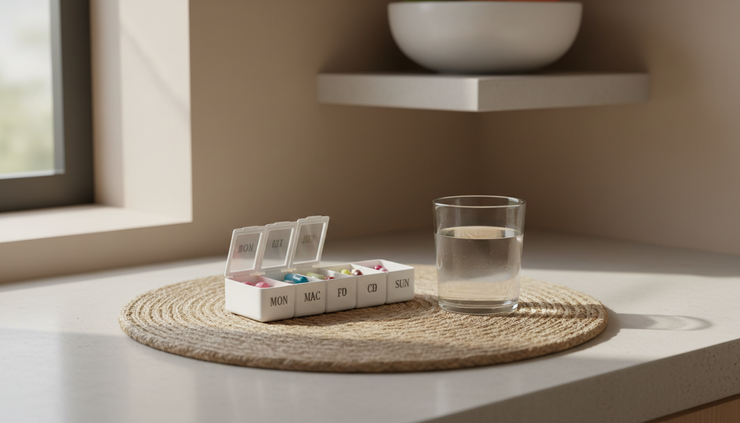
What changes when GLP-1 treatment moves from a shot to a pill?
GLP-1 stands for glucagon-like peptide-1, a hormone involved in appetite, fullness, blood sugar control, and digestion. GLP-1 based medications mimic or build on that pathway. Some newer treatments also act on related hormone pathways, such as GIP.
The injectable versions became well known first. Semaglutide and tirzepatide, for example, are given by injection and are used in different branded forms for diabetes and chronic weight management. The specific product, dose, and approved use matter.
Oral GLP-1 therapy is different because the medication must survive the digestive system long enough to work. That is hard. Peptide-based drugs can be broken down in the stomach and intestines, which is one reason many GLP-1 drugs have been injections.
Oral semaglutide already exists for type 2 diabetes in some markets. Higher-dose oral GLP-1 approaches for weight management have been studied, and other oral drugs in this category have been in late-stage development. Still, approval status, labeling, dose, availability, and insurance coverage can change. In 2026, the first practical step is to check what is actually approved and appropriate, not what is trending online.
The key tradeoff is simple:
Oral GLP-1 pills
Injectable GLP-1 medications
May feel easier and less intimidating, but they often require stricter timing and may have more daily-routine friction.
May be less convenient emotionally for people who dislike needles, but weekly dosing can be easier to remember and may have stronger real-world familiarity.
A pill sounds low effort. For some people, it is. For others, the daily rules around taking it can be harder than a once-weekly injection.
Pills and injections work differently in daily life
Medication effectiveness is not only about biology. It is also about use. The best medication on paper may fail if it does not fit the week.
Oral GLP-1 pills may be easier to start
A pill removes one major barrier: the needle.
Needle anxiety is real. Some people delay treatment, skip doses, or feel stressed every week because they dread the injection. For them, an oral option can make treatment feel more approachable.
Pills may also feel more private. Taking a tablet with water can blend into an existing morning routine. There is no injection supplies, no pen storage issue while traveling, and no sharps disposal.
That convenience matters, especially for long-term care. Weight management is not a 30-day project. If a person feels less resistance to taking medicine, they may stay with the plan more consistently.
Oral GLP-1 pills can come with strict dosing rules
The tradeoff is that some oral GLP-1 medications may need careful timing. Oral semaglutide, for example, has specific instructions around taking it on an empty stomach with a small amount of water and waiting before eating, drinking, or taking other oral medications.
Those details are not minor. They affect absorption.
A very practical question is whether the morning routine can support the medication. Someone who wakes up, drinks coffee right away, takes thyroid medication, eats early, or manages care for children may find a strict oral schedule frustrating.
Injections have their own learning curve, but many are taken weekly. For people who prefer fewer medication moments, that can be a major advantage.
Injections are often more predictable once the routine is set
A once-weekly injection can become simple. Pick a day, rotate the injection site, follow storage instructions, and track side effects. Many injection pens are designed for home use, though training still matters.
That does not mean injections are easy for everyone. Some people have injection-site reactions, anxiety, or trouble handling the pen. Others travel often and dislike carrying temperature-sensitive medication.
The point is not that one format is clearly easier. It is that “convenient” means different things in real life.

Weight loss results depend on the drug, dose, and staying with treatment
Comparing pills and injections can get misleading fast. The form is only one part of the result.
A low-dose oral medication used for diabetes is not the same as a higher-dose medication studied or approved for chronic weight management. Semaglutide is not the same as tirzepatide. A GLP-1 only medication is not the same as a dual-pathway medication. Brand names, indications, and doses matter.
So when people ask about oral GLP-1 pills vs injections in 2026, the honest answer starts with a more specific question: which pill, which injection, at what dose, for which person?
Injectable options have more weight-loss history
Injectable GLP-1 based medications have more established use in obesity care. Clinicians have more experience adjusting doses, managing side effects, and deciding when a patient should pause, switch, or stop.
That experience matters because the first few months can involve trial and error. Nausea, constipation, diarrhea, reflux, fatigue, and appetite changes can occur. Most dosing schedules increase gradually to help the body adjust, but not everyone tolerates the target dose.
Injectables also have published trial data behind their approved uses. Results vary by medication and patient, but the category has shown that hormone-based treatments can support significant weight reduction for many people.
Oral options may improve access, but not automatically
Pills could expand access for people who do not want injections or who face barriers with injection supplies. They may also change how primary care, telehealth, and long-term obesity treatment work.
But access is complicated.
A medication can be approved and still hard to get. Insurance may limit coverage. Prior authorization may be required. Drug shortages can happen. Some plans cover diabetes indications differently from weight-management indications. Out-of-pocket cost can make either option unrealistic.
There is also the issue of compounded products. Compounded GLP-1 products have attracted attention during shortages and coverage gaps, but they are not the same as FDA-approved branded medications. Safety, dosing, source, and quality can vary. Any compounded medication should be discussed carefully with a clinician and pharmacist.
Stopping or switching can change weight trajectory
GLP-1 treatment often works while treatment continues. When treatment stops, appetite can return, and weight regain is common for many people unless another plan is in place. That does not mean the medication “failed.” It means obesity is a chronic condition for many people, and ongoing treatment may be needed.
Switching from an injection to a pill should not be treated like changing vitamin brands. It can affect appetite control, side effects, blood sugar, and weight. A clinician may need to adjust timing, dose, and monitoring.
A plan should include:
Current weight trend and goal
Side effects on the current medication
Blood sugar history and diabetes status
Other medications that require careful timing
Pregnancy plans or pregnancy status
History of pancreatitis, gallbladder disease, or severe gastrointestinal disease
Insurance and pharmacy access
A plan if the new medication is not tolerated
The safest switch is planned, not improvised.
Who may be a good candidate to switch?
The right candidate is not simply someone who is tired of injections. The decision should connect to a clear reason.
A switch may make sense when the current medication works medically but creates a practical barrier. For example, needle anxiety can reduce adherence. Travel can make storage difficult. Injection-site reactions can become bothersome. A person may also have hand mobility issues that make pens harder to use.
An oral option may also fit better when a person already has a consistent morning routine and can follow dosing instructions closely.
A medication only works as well as the plan around it. Ease of use, side effects, cost, and follow-up all shape the result.
Still, switching may not be wise if the current injection is working well, side effects are manageable, and coverage is stable. A pill may sound easier but lead to weaker appetite control, more routine errors, or different gastrointestinal symptoms.
A switch may be worth discussing if these apply
The injection routine causes enough stress that doses are delayed or skipped.
Travel, storage, or sharps disposal creates regular problems.
Injection-site reactions are frequent or hard to manage.
A clinician confirms that an approved oral option matches the diagnosis and goals.
The dosing schedule fits daily life.
Coverage and refill access are realistic.
Staying with injections may make more sense if these apply
Weight and metabolic markers are improving.
Side effects are mild or stable.
Weekly dosing is easier than a strict daily routine.
The current medication is covered and available.
There is a history of poor adherence to morning medications.
Other oral medications would conflict with pill timing.
This is where the doctor visit becomes practical. The goal is not to ask, “Can I switch?” The better question is, “What would I gain, what might I lose, and how would we know if the switch is working?”

How to decide before changing your weight loss plan
A good switch plan has checkpoints. It should not rely on hope or hype.
Start with what the current medication is doing. If weight is decreasing, appetite feels manageable, labs are improving, and side effects are acceptable, there needs to be a strong reason to disrupt the plan.
If the current treatment is not working, the cause matters. The dose may still be low. Side effects may be limiting dose increases. The medication may not be the best fit. Nutrition may be too low in protein or fiber, causing fatigue or hunger swings. Sleep problems, stress, other medications, and medical conditions can also affect results.
Switching format alone may not solve those problems.
Bring specific notes to the appointment
A short record makes the conversation more useful. Track for two to four weeks if possible:
Dose and timing
Appetite level through the day
Nausea, constipation, reflux, diarrhea, or fatigue
Weight trend, not just one weigh-in
Missed or delayed doses
Meals that feel hard to tolerate
Exercise and step count, if tracked
Blood sugar readings, if relevant
These details help the clinician decide whether a pill is a reasonable next step or whether the current injection plan needs adjusting.
Ask about monitoring and timing
A switch should include a follow-up plan. That may involve weight checks, symptom tracking, blood pressure, glucose monitoring for people with diabetes, and lab work when appropriate.
Ask how long the new medication should be tested before judging results. Early weeks often focus on tolerability. Weight changes may take more time, especially during dose escalation.
Also ask what to do if side effects appear. Some gastrointestinal symptoms can improve with slower eating, smaller meals, hydration, and constipation prevention. Severe or persistent symptoms need medical review.
Keep the lifestyle plan realistic
GLP-1 medications reduce appetite, but they do not automatically build a healthy diet. Eating too little protein, skipping fluids, or relying on very small low-nutrient meals can backfire.
The basics still matter:
Protein at meals
Fiber from fruits, vegetables, beans, or whole grains
Hydration, especially if appetite drops
Strength training or resistance work to help preserve muscle
Sleep and stress management
Regular follow-up, not just prescription refills
Weight loss quality matters. The goal is not only a lower number. It is better health, better function, and a plan that can last.

The takeaway for 2026
Oral GLP-1 pills could make weight-loss treatment easier for people who struggle with injections. They may reduce needle anxiety, simplify travel, and feel more familiar than injection pens.
But injections still have real strengths. They are established, often weekly, and backed by more clinical experience in weight management. For many people, they may remain the better fit.
The smartest decision is not based on format alone. It is based on the exact medication, approved use, dose, side effects, cost, access, and the daily routine required to take it correctly.
If the current plan is working, do not switch just because pills sound newer or easier. If injections are creating a real barrier, an oral option may be worth discussing. Bring your history, ask direct questions, and make the change with medical supervision.
In 2026, the best weight loss plan is not the one that sounds most convenient. It is the one that is safe, effective, affordable, and realistic enough to keep following.


Comments